DancheongStudio
Entry 07 / 12
Crane
학문 · hak-mun
Long life and unworldly purity; inlaid in Goryeo celadon, embroidered on the scholar-official's badge.
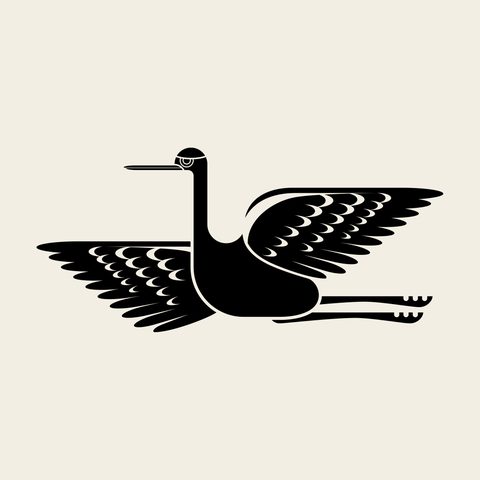
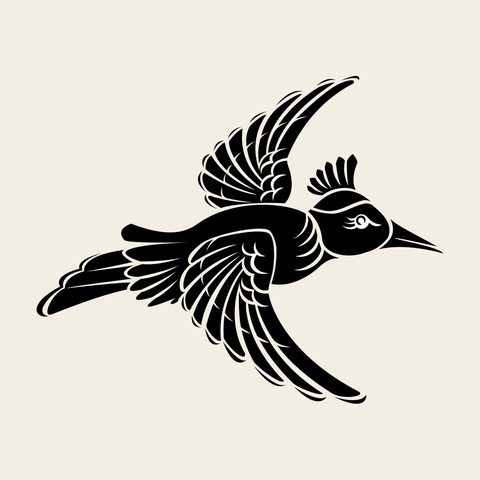
The red-crowned crane winters in Korea's rice fields and marshes, and Koreans have long read it as a creature of longevity and unworldly purity — one of the Ten Symbols of Long Life (sipjangsaeng) together with the sun, clouds, mountains, water, pine, deer, turtle, peach and the fungus of immortality.
Two uses are especially famous. Goryeo potters of the twelfth century inlaid cranes flying among clouds into celadon — the 'cloud and crane' vases (unhak-mun) are among the most admired Korean ceramics. And in the Joseon court the crane marked the civil official: from 1871 a double-crane badge (hyungbae) on the chest showed senior rank and a single crane junior rank, while military officers wore tigers.
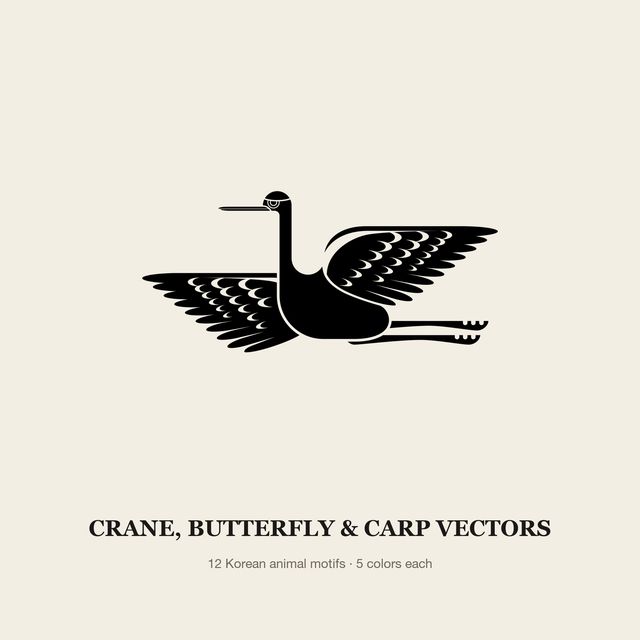
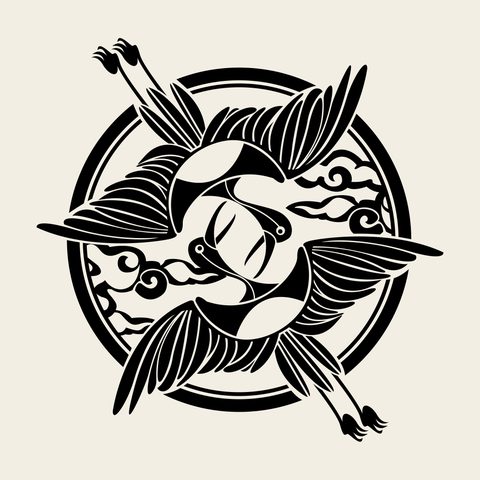
The pair of cranes in Vol.02 and the double-crane rank badge in Vol.04 come straight from these traditions; the crane-and-cloud roundel is the celadon composition in flat form. Cranes need room to fly, so they suit large-format prints, scarves and hero graphics more than tight repeats — though the pair does tile as a half-drop.
Vector examples
From the packs
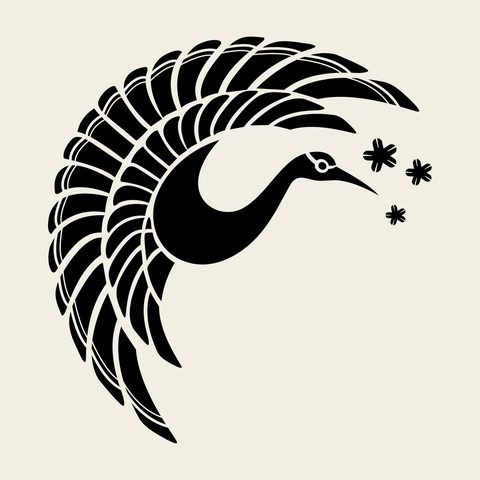
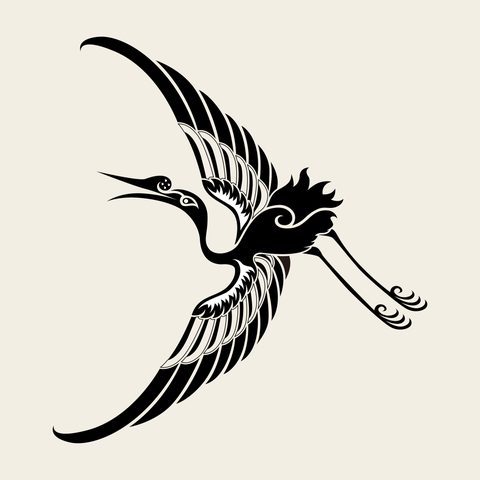
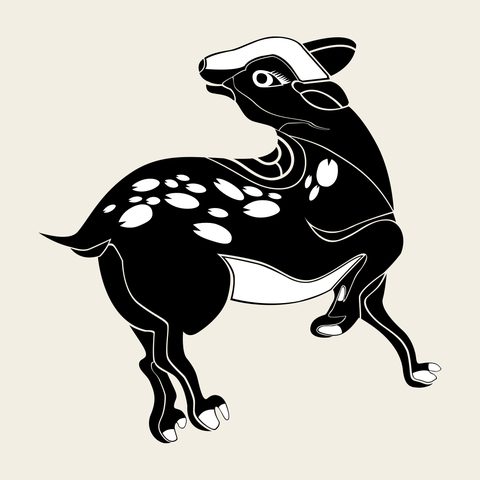
Original colours on a cream ground. Labels give the working name, the source title and number in the national archive, and the pack.
Get the vectors