DancheongStudio
Entry 01 / 12
Lotus
연꽃문 · yeonkkot-mun
Purity rising from the mud; with Buddhism, the flower of every temple ceiling and roof tile.
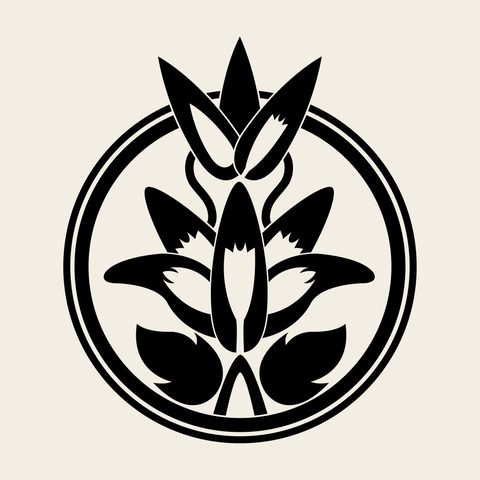
The lotus is the most widespread flower in Korean ornament. It arrived with Buddhism in the fourth century and stands for purity: the flower opens clean above muddy water, just as enlightenment rises from the world. Buddhas sit on lotus pedestals, temple ceilings are coffered with lotus medallions, and the round eave-end tiles (sumaksae) of Unified Silla and Goryeo temples carry a lotus seen from above — a ring of petals around a seed pod.
In Goryeo celadon the lotus appears carved, moulded and inlaid, often with a scrolling vine (yeondang-mun). Joseon folk art kept the flower but shifted the meaning: the seed pod full of seeds became a wish for many children, and lotus with fish or ducks decorated wedding chests and embroidered pillow ends.
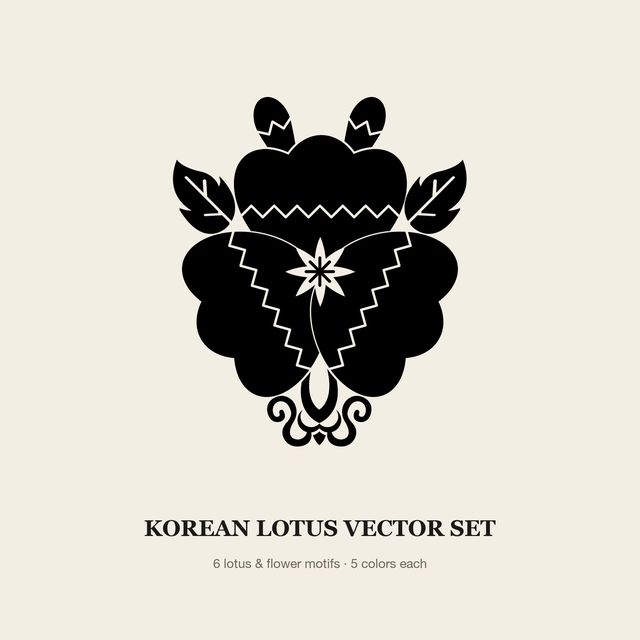
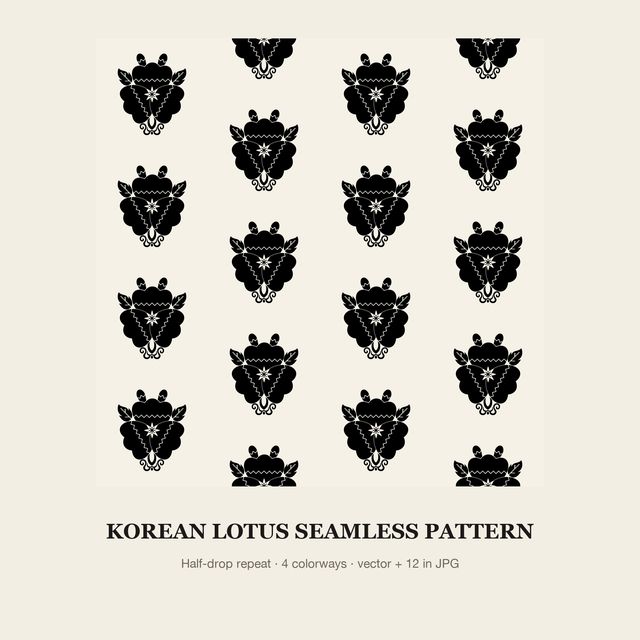
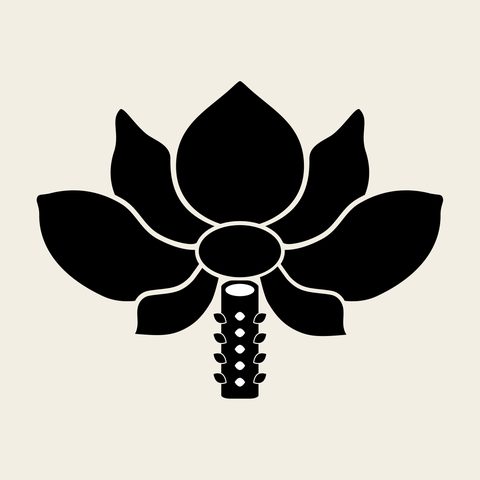
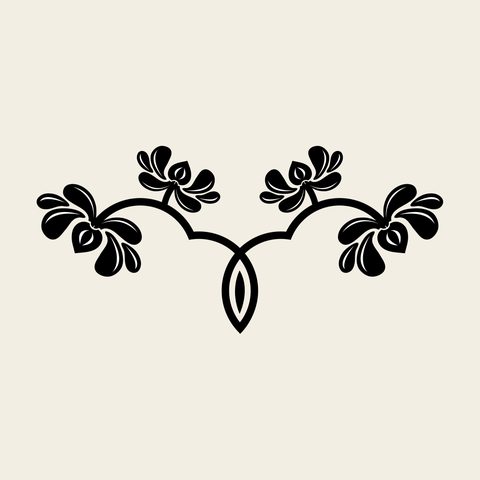
For designers the lotus is unusually versatile. The side-view bloom works as a spot illustration or logo mark; the top-view roundel is a natural repeat unit for tiles, and the lotus-and-vine spray fills borders. The DancheongStudio lotus vectors keep the original silhouettes from the national pattern archive and add a half-drop seamless tile.
Vector examples
From the packs
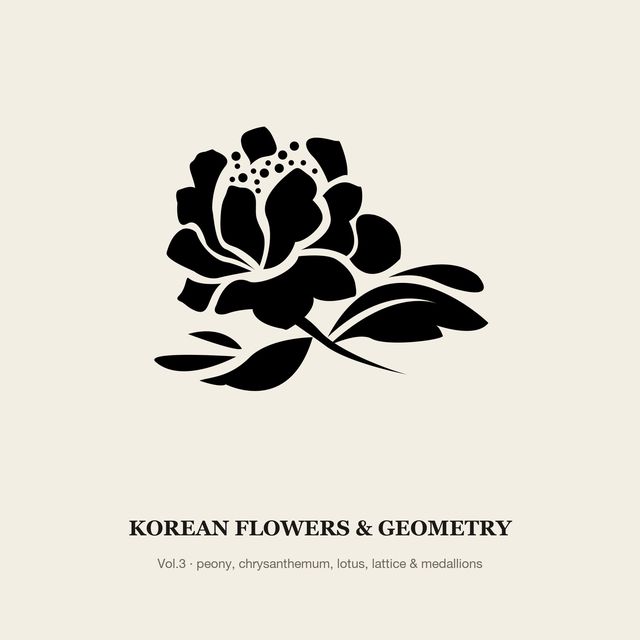
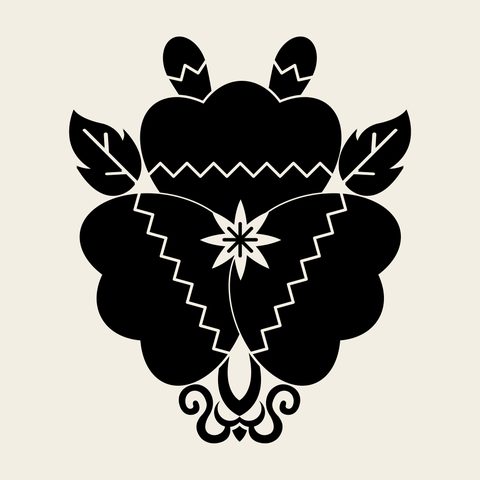
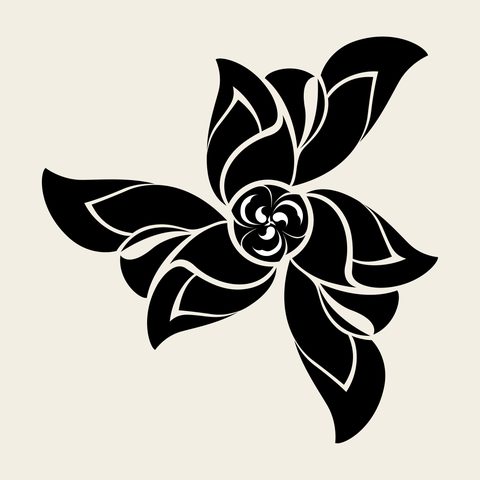
Original colours on a cream ground. Labels give the working name, the source title and number in the national archive, and the pack.



Get the vectors