DancheongStudio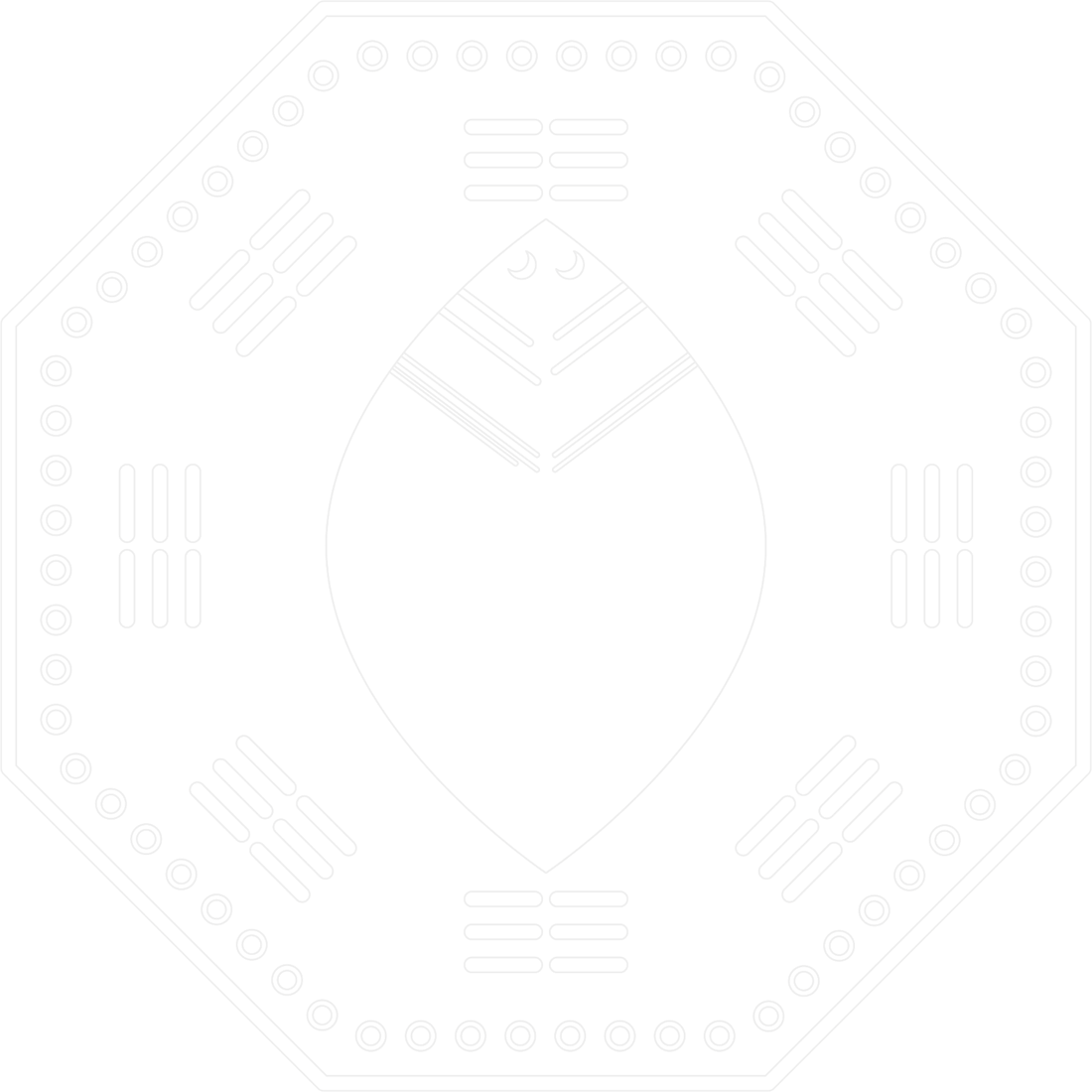
Entry 04 / 12
Taegeuk
태극문 · taegeuk-mun
The Korean yin-yang — two or three commas of cosmic balance, from shrine doors to the flag.

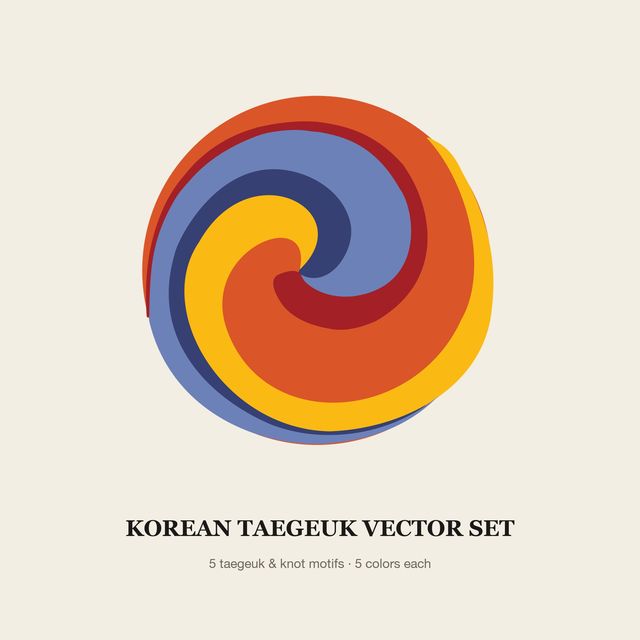
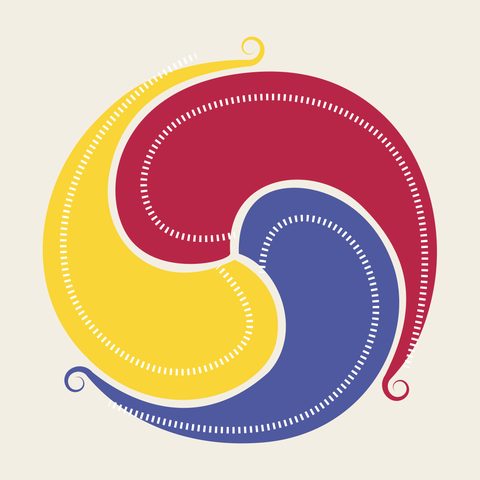
The taegeuk is the Korean form of the yin-yang disc — two interlocking commas representing the complementary forces whose interaction generates everything. Korea also developed a three-part version, the sam-taegeuk, in red, blue and yellow, read as heaven, earth and humanity. It appears on the doors of Confucian shrines and palace gates, on the heads of drums, on fans and on the wooden gates of village schools.
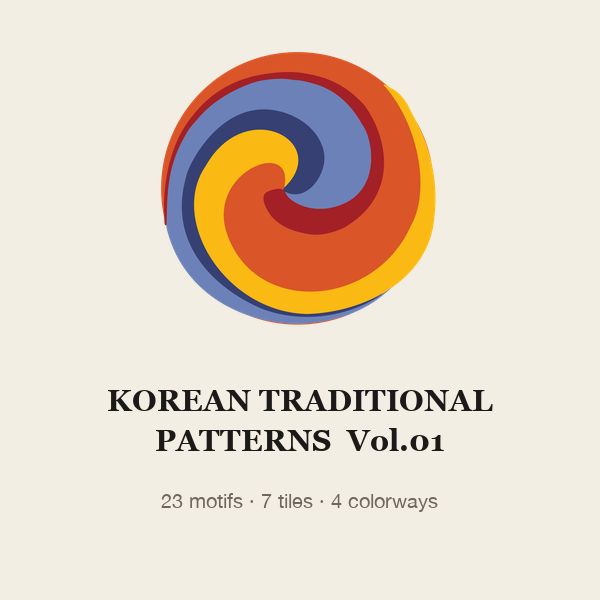
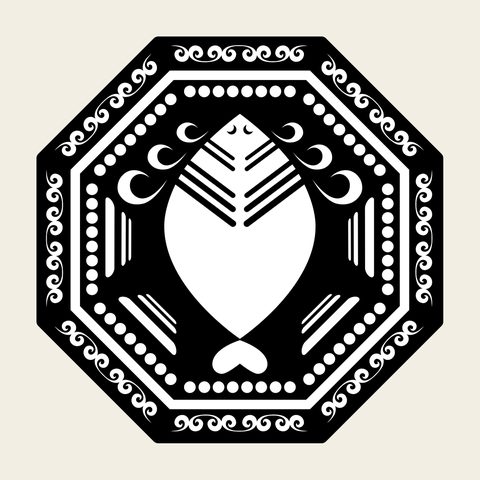
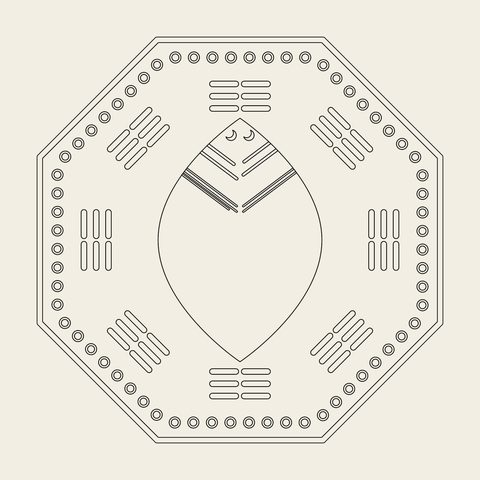
The tricolour taegeuk in Vol.01 is traced from Eosumun, the gate to Juhamnu library in Changdeokgung Palace, Seoul. The octagonal variants come from the national pattern archive and combine the disc with the eight trigrams frame. In 1883 the red-and-blue taegeuk became the centre of the Korean national flag, the Taegeukgi, which is why the symbol now reads as national as well as cosmological.
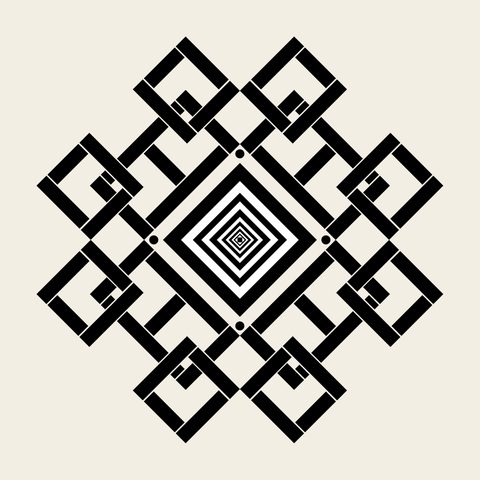
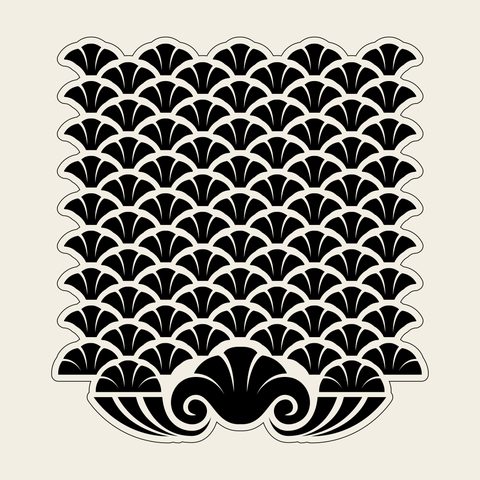
Design note: the taegeuk is a strong, instantly recognisable mark, so use it sparingly — as a medallion, a badge or the centre of a repeat rather than as an all-over texture. The diamond-knot and scale motifs that frame it in palace painting are included alongside it.
Vector examples
From the packs
Original colours on a cream ground. Labels give the working name, the source title and number in the national archive, and the pack.
Get the vectors